In addition to the technically required cookies, our website also uses cookies for statistical evaluation. You can also use the website without these cookies. By clicking on "I agree" you agree that we may set cookies for analysis purposes. You can see and change your cookie settings here.
This collection item does not have a name in the language of origin. If you know the name or have comments, use this form to contact the data-providing institution.
Großes, rundbodiges Gefäß mit einem elypsoiden Körper und einem kurzen, trichterförmigen Hals. Am Körper befinden sich aufgesetzte Verzierungen, die ein katzenähnliches Gesicht darstellen. Das Objekt wurde beidseitig geglättet und geschlämmt. Seine Außenseite ist grundiert, bemalt und hoch poliert. Grundierung und Bemalung sind kaum erodiert. Am Rand befinden sich kleine Bruchstellen. Die Keramik besitzt eine weiß-gelbliche Grundfarbe, die auf der Außenseite des Gefäßes rot, orange und schwarz-braun bemalt ist. Das Objekt wird beidseitig durch ein randständiges, rotes Band verziert. Am Halsansatz verläuft ein breiter Fries, der zwei gegenständige, bimorphe Wesen zeigt. Sie bestehen aus einem raubkatzenähnlichen Kopf und einem bandförmigen Extremitätenmotiv. Der Fries wird durch schwarz-braune Linien und rot-orange Bänder begrenzt. Am Körper erscheint ein mittelständiges Gesicht, das einen breit ausladenden Schnurbart hat. Die Verzierung besitzt aufgesetzte (Augenbrauen, Nase, Mundstück, Ohren, Ohrschmuck) und gemalte (Haaransatz, Bart) Attribute, die auf ein raubkatzenähnliches Wesen verweisen. Auf der Innenseite des Gefäßhalses sind Spuren einer weiß-gelblichen Grundierung sichtbar. Symbolische Bedeutung: der hochständige Fries scheint den Körper des plastisch dargestellten Katzenwesens zu verkörpern. Nach Lothrop 1926: Zapatero ware und Nicoya polychrome ware, plumed serpent, type E. Kulturelle Bedeutung: der Typ ist sowohl aus Bestattungen als auch aus Siedlungskontexten bekannt. Seine Objekte zeichnen sich vor allem durch ihre lachsfarbene Grundierung aus. Die Gruppe wurde hauptsächlich im Tal des Río Tempisque dokumentiert und tritt nur selten nördlich von Bagaces (Costa Rica) auf. Obwohl das inventarisierte Objekt keine lachsfarbene Grundierung besitzt, kann es nach Bonilla et al. 1987 nur dem Typ Jicote Policromo zugeordnet werden. In der Region Gran Nicoya existierte eine lange einheimische Tradition von Gesichtsdarstellungen. Aufgesetzte raubkatzenähnliche Gesichter finden sich bereits auf den roten, gebürsteten Waren des Policromo Medio (1350-800d.C.). Katzenwesen, die schlangenförmig gewundene Extremitäten besitzen, erscheinen auch in den Gruppen Jicote Policromo, variedad felino (1350-1000d.C.) und Casares Policromo, variedad felino (1350-1000d.C.). (Künne 2004)
This collection item does not have a name in the language of origin. If you know the name or have comments, use this form to contact the data-providing institution.
Save
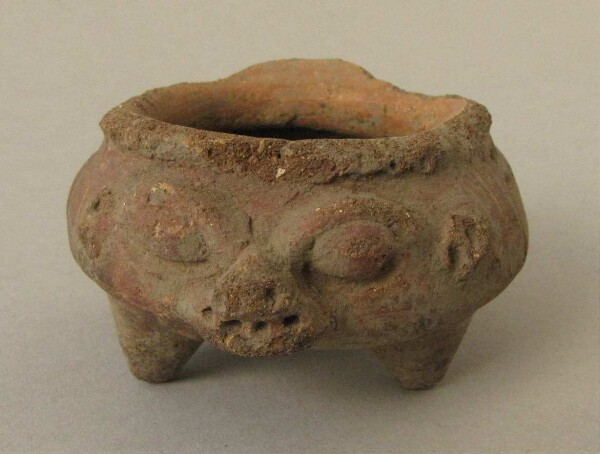
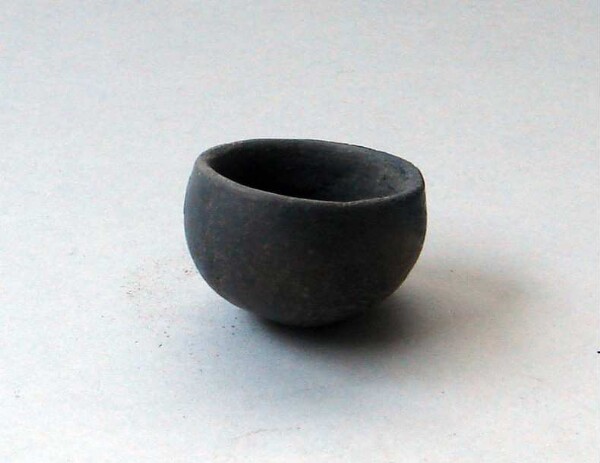
Clay vessel
This collection item does not have a name in the language of origin. If you know the name or have comments, use this form to contact the data-providing institution.
Save
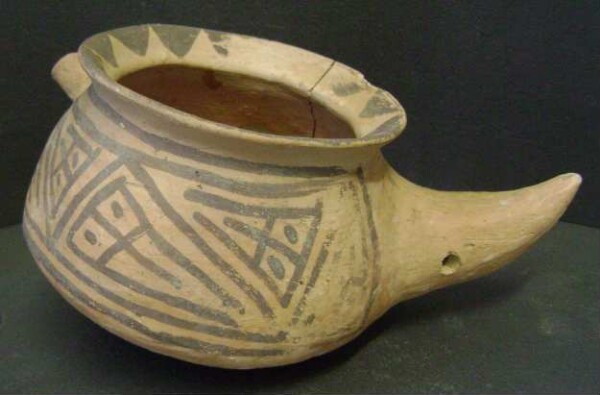
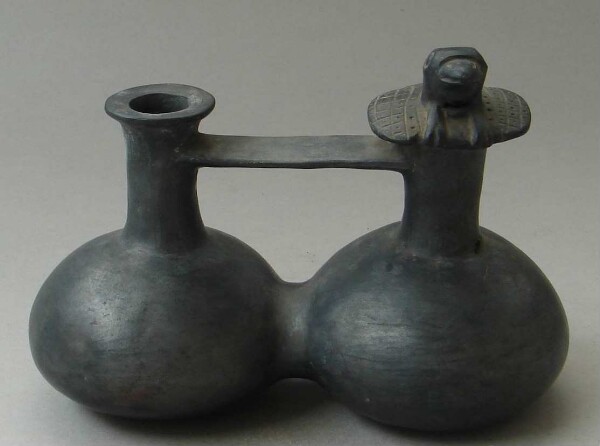
Clay vessel
This collection item does not have a name in the language of origin. If you know the name or have comments, use this form to contact the data-providing institution.
Save
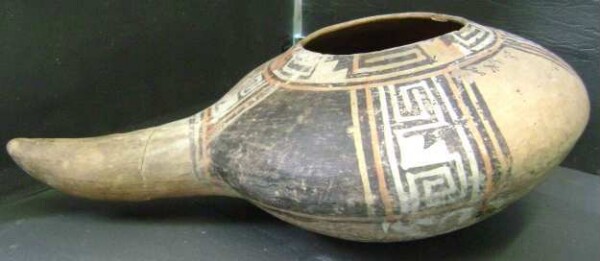
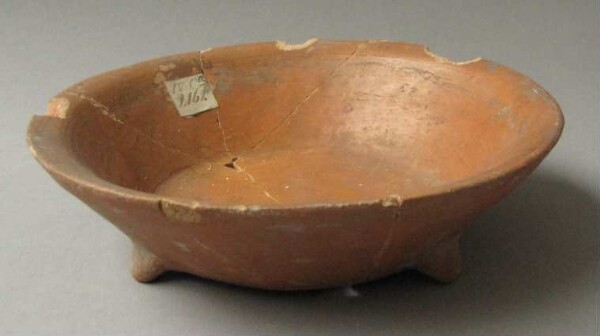
Clay vessel
This collection item does not have a name in the language of origin. If you know the name or have comments, use this form to contact the data-providing institution.
Save
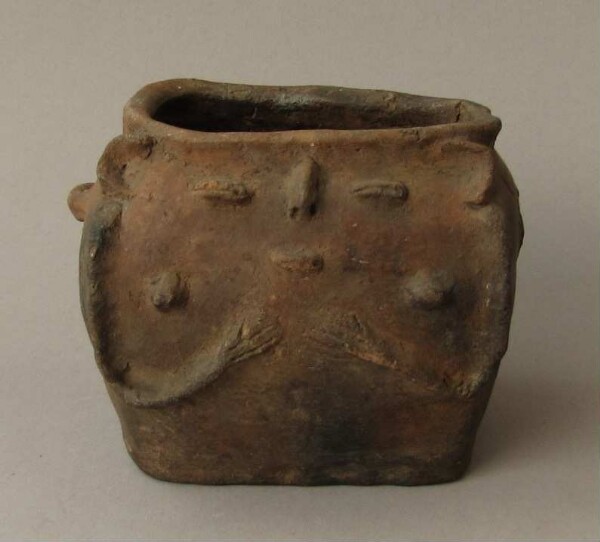
Clay vessel
This collection item does not have a name in the language of origin. If you know the name or have comments, use this form to contact the data-providing institution.
Save
Clay vessel
This collection item does not have a name in the language of origin. If you know the name or have comments, use this form to contact the data-providing institution.
Save
Clay vessel
This collection item does not have a name in the language of origin. If you know the name or have comments, use this form to contact the data-providing institution.
Save
Clay vessel
This collection item does not have a name in the language of origin. If you know the name or have comments, use this form to contact the data-providing institution.
Save
Clay vessel
This collection item does not have a name in the language of origin. If you know the name or have comments, use this form to contact the data-providing institution.
Save
Clay vessel
This collection item does not have a name in the language of origin. If you know the name or have comments, use this form to contact the data-providing institution.
Save
Clay vessel
This collection item does not have a name in the language of origin. If you know the name or have comments, use this form to contact the data-providing institution.