Rights management: Linden-Museum Stuttgart
Attribution - NonCommercial - NoDerivs 4.0 International
Full screen
Initial display
Zoom in
Zoom out
Previous image
Next image
Downloads the object

This collection item does not have a name in the language of origin. If you know the name or have comments, use this form to contact the data-providing institution.
ili


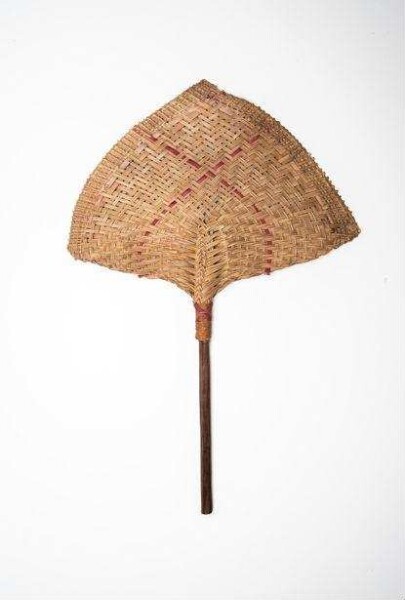
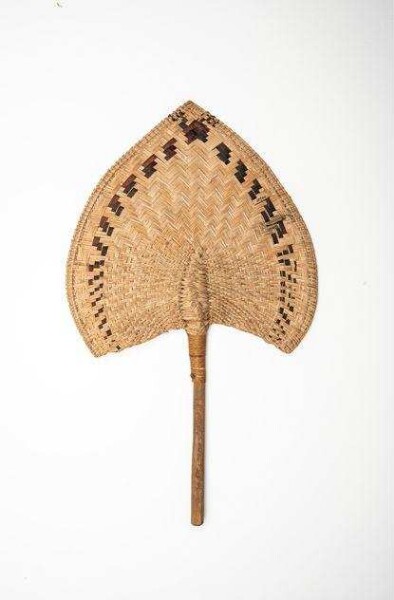
As widely used objects Samoan fans have been handed down in many different designs. Frequently represented in collections are fans with a wooden handle, the upper end of which is braided with strips of coconut leaves, which also form the fan leaf. Text: Ulrich Menter
- Data Provider
- Linden-Museum Stuttgart Staatliches Museum für Völkerkunde Show original at data provider
Cataloguing data
- Object type
- Fächer
- Dimensions
-
Width: 27.8 cm
Height: 46.5 cm - Material/Technique
-
Coconut leaf fibre, Hibiscus bast, Wood
braided
- Current location
- Linden-Museum Stuttgart
- Inventory number
- 034944
Provenance and sources
-
Assignment to a curated holding:
-
Production
-
when
-
around 1900
-
-
Change of physical control or legal title
-
where
-
Samoa
-
-
Change of physical control
-
when
-
1904
-
- Provenance
-
From 1900 to 1902 Dr. Hans Podestà was a naval surgeon on the SMS Cormoran, which dropped anchor several times off Apia, Sāmoa, in both 1900 and 1901. It can be assumed that Podestà acquired the fan on one of these occasions in Sāmoa or Apia.
Text: Ulrich Menter
Information about the record
- Legal status metadata
- CC BY-NC-ND 4.0 DEED
Related objects
ili

Information about the language not available
Save
Subjects
ili
Information about the language not available
Save
Subjects
This collection item does not have a name in the language of origin. If you know the name or have comments, use this form to contact the data-providing institution.
Save
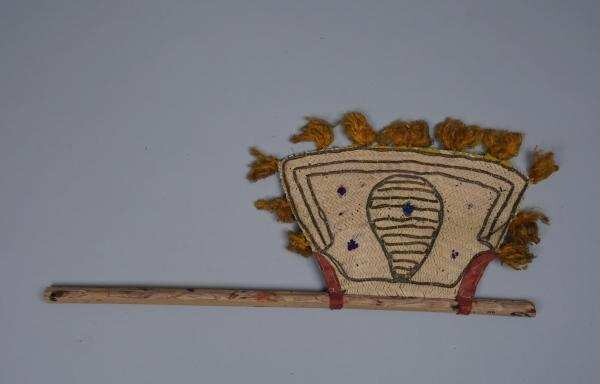
Fan, upper part of a fan
ili
Information about the language not available
Save
Subjects

drel
Information about the language not available
Save
Subjects
This collection item does not have a name in the language of origin. If you know the name or have comments, use this form to contact the data-providing institution.
Save
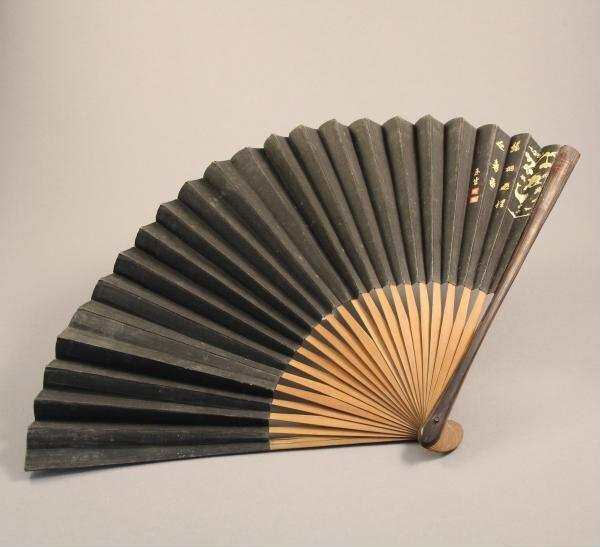
Fan, folding fans
This collection item does not have a name in the language of origin. If you know the name or have comments, use this form to contact the data-providing institution.
Save
Subjects
This collection item does not have a name in the language of origin. If you know the name or have comments, use this form to contact the data-providing institution.
Save
Subjects
ili
Information about the language not available
Save
Subjects
This collection item does not have a name in the language of origin. If you know the name or have comments, use this form to contact the data-providing institution.
Save
ili

drel
Information about the language not available
Save
Subjects
This content was machine-translated