In addition to the technically required cookies, our website also uses cookies for statistical evaluation. You can also use the website without these cookies. By clicking on "I agree" you agree that we may set cookies for analysis purposes. You can see and change your cookie settings here.
This collection item does not have a name in the language of origin. If you know the name or have comments, use this form to contact the data-providing institution.
This anthropomorphically carved drum of the Luluwa has a cup-shaped resonating body that takes up the upper part of the drum, while the larger lower part is carved as a standing male figure. The membrane is attached to the curved edge of the resonating body with a cord and additionally secured with nails. As with the Kuba drum, the upper part is decorated with notched carvings. This type of drum can be heard in a variety of contexts, in combination with a xylophone or slit drum as well as during the initiation of circumcised boys. / L.-C.K.
This collection item does not have a name in the language of origin. If you know the name or have comments, use this form to contact the data-providing institution.
Save
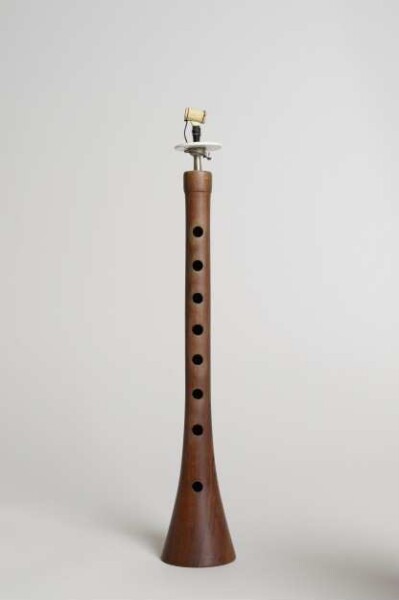
Zūrnā
This collection item does not have a name in the language of origin. If you know the name or have comments, use this form to contact the data-providing institution.
Save
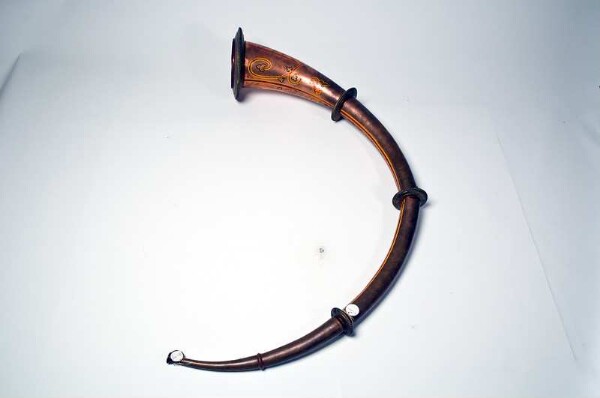
Horn
lesiba
Information about the language not available
Save
lesiba
This collection item does not have a name in the language of origin. If you know the name or have comments, use this form to contact the data-providing institution.
Save
Zither
kvakhica
Information about the language not available
Save
kvakhica
This collection item does not have a name in the language of origin. If you know the name or have comments, use this form to contact the data-providing institution.
Save
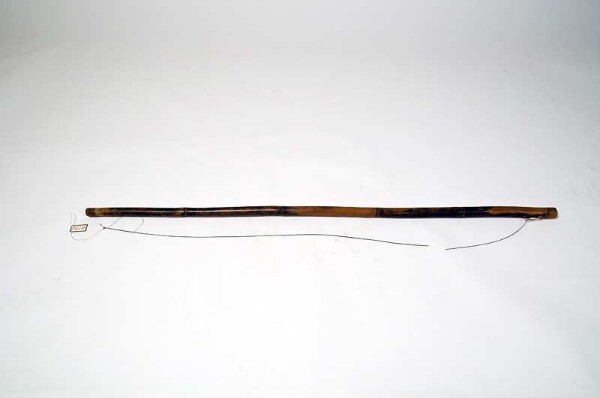
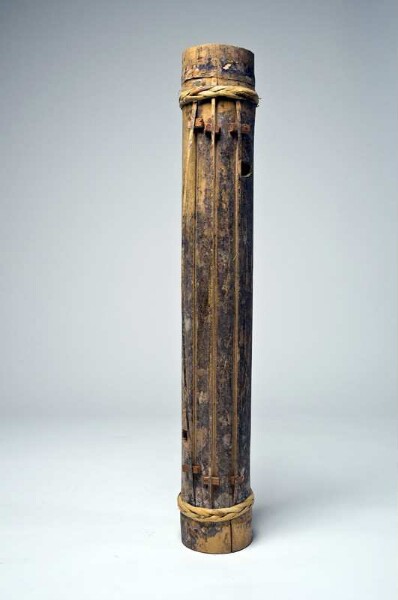
Idiochorde full tube zither
cai nhi
Information about the language not available
Save
cai nhi
jakjak-ulul
Information about the language not available
Save
jakjak-ulul
This collection item does not have a name in the language of origin. If you know the name or have comments, use this form to contact the data-providing institution.