In addition to the technically required cookies, our website also uses cookies for statistical evaluation. You can also use the website without these cookies. By clicking on "I agree" you agree that we may set cookies for analysis purposes. You can see and change your cookie settings here.
This collection item does not have a name in the language of origin. If you know the name or have comments, use this form to contact the data-providing institution.
Frog-like pendants are among the most frequently found metal objects in the Diquís archaeological region. Despite its place of origin, the design of the inventoried object clearly refers to the Veraguas-Chriquí group. McCurdy (1911: Pl. XIV) depicts a ceramic vessel with an almost identical protome. The object belongs to the San Miguel Galleta group (1550-1000d.C.), which originates from the south of Costa Rica. Small, toad-like pendants made of greenstone are known from the Gran Nicoya region (MNCR 1995: 105, Fig. 135). They correspond to frog-like metal objects which, according to Bray (1992), belong to the inventory of the inital group (0-500d.C.). (Künne 2005)
This collection item does not have a name in the language of origin. If you know the name or have comments, use this form to contact the data-providing institution.
Save
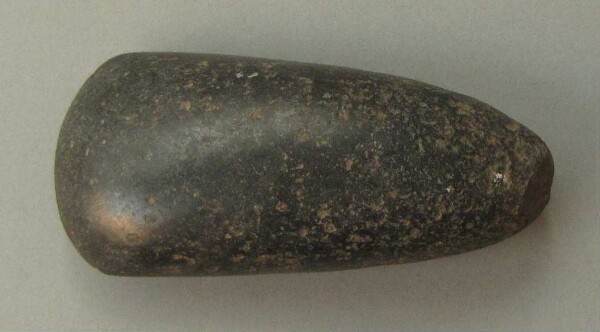
Stone axe blade
This collection item does not have a name in the language of origin. If you know the name or have comments, use this form to contact the data-providing institution.
Save
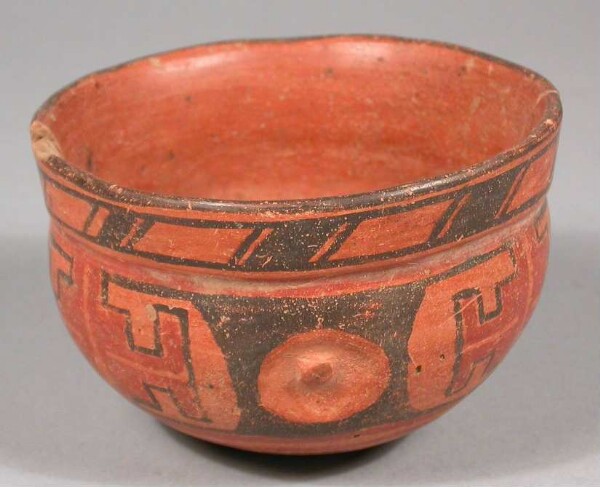
Clay bowl
This collection item does not have a name in the language of origin. If you know the name or have comments, use this form to contact the data-providing institution.
Save
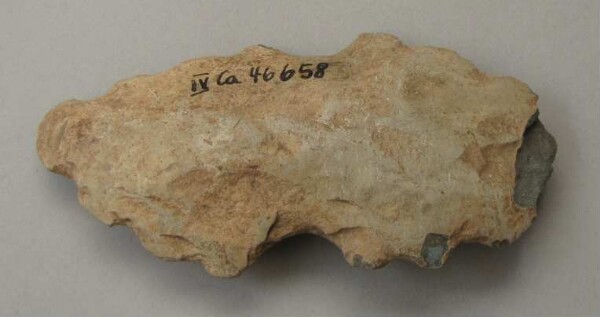
Stone blade
This collection item does not have a name in the language of origin. If you know the name or have comments, use this form to contact the data-providing institution.
Save
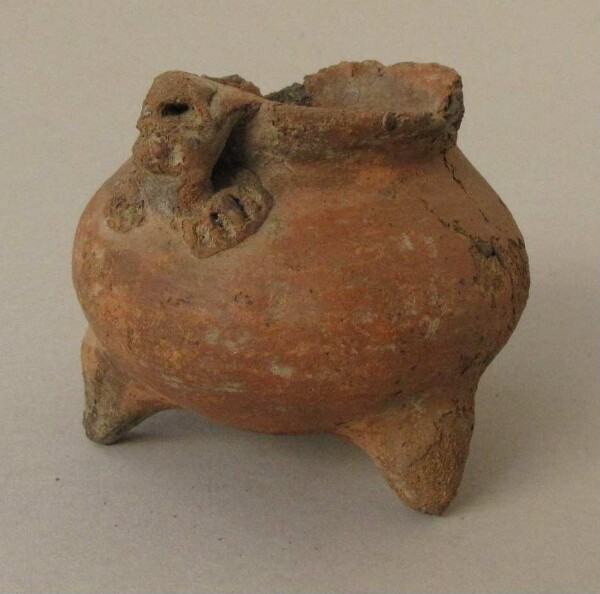
Clay vessel
This collection item does not have a name in the language of origin. If you know the name or have comments, use this form to contact the data-providing institution.
Save
Clay object from the Museo Nacional, San José (Costa Rica) (?)
This collection item does not have a name in the language of origin. If you know the name or have comments, use this form to contact the data-providing institution.
Save
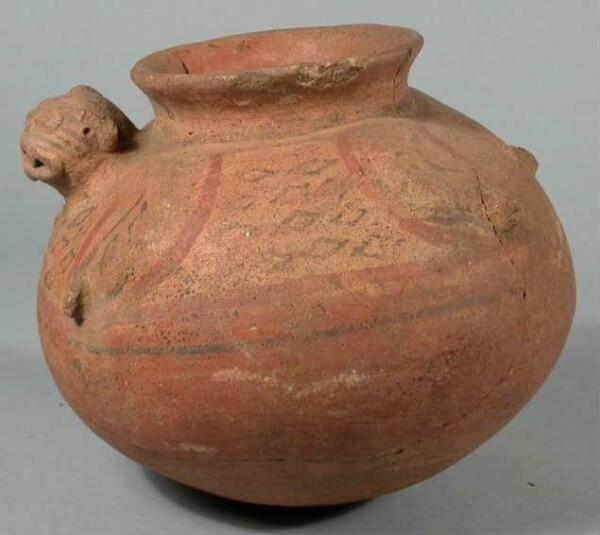
Clay vessel
This collection item does not have a name in the language of origin. If you know the name or have comments, use this form to contact the data-providing institution.
Save
Clay vessel (fragmentary)
This collection item does not have a name in the language of origin. If you know the name or have comments, use this form to contact the data-providing institution.
Save
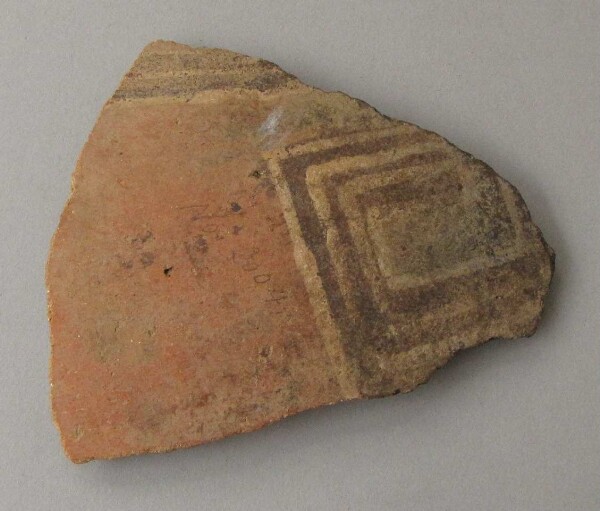
Clay shard of a vessel
This collection item does not have a name in the language of origin. If you know the name or have comments, use this form to contact the data-providing institution.
Save
Inner sherd of a clay vessel
This collection item does not have a name in the language of origin. If you know the name or have comments, use this form to contact the data-providing institution.
Save
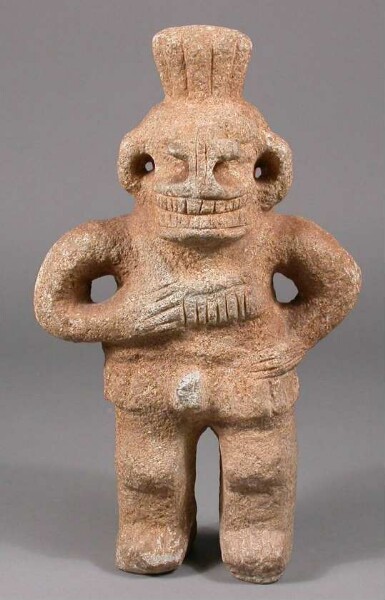
Stone figure
This collection item does not have a name in the language of origin. If you know the name or have comments, use this form to contact the data-providing institution.