In addition to the technically required cookies, our website also uses cookies for statistical evaluation. You can also use the website without these cookies. By clicking on "I agree" you agree that we may set cookies for analysis purposes. You can see and change your cookie settings here.
This collection item does not have a name in the language of origin. If you know the name or have comments, use this form to contact the data-providing institution.
This xirimía comes from Panajachel on Lake Atitlan in south-west Guatemala. The mouthpiece of this double-reed instrument is made of plastic lamellas. The instrument has six frontal tone holes as well as one frontal and two lateral resonance holes, but no thumb hole. The xirimía is considered characteristic of folklore and is played in Guatemala, Mexico and Colombia, usually in ensembles accompanied by drums in public processions.
This collection item does not have a name in the language of origin. If you know the name or have comments, use this form to contact the data-providing institution.
Save
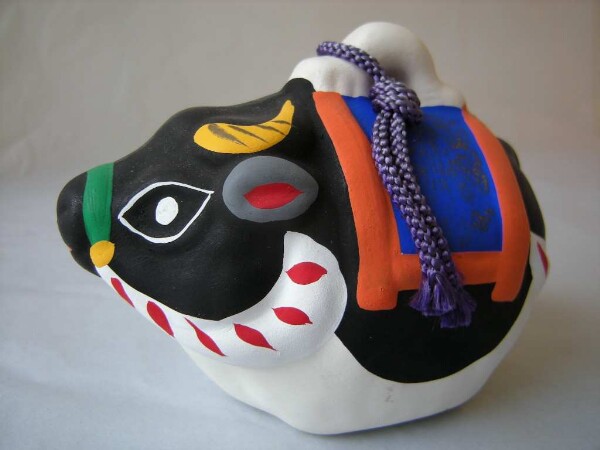
Beef
This collection item does not have a name in the language of origin. If you know the name or have comments, use this form to contact the data-providing institution.
Save
Bell
This collection item does not have a name in the language of origin. If you know the name or have comments, use this form to contact the data-providing institution.
Save
saggaypo
This collection item does not have a name in the language of origin. If you know the name or have comments, use this form to contact the data-providing institution.
Save
Longitudinal trumpet
tanbur
Information about the language not available
Save
tanbur
Pexén
Information about the language not available
Save
Flute
gbolum
Information about the language not available
Save
Lamellophone
This collection item does not have a name in the language of origin. If you know the name or have comments, use this form to contact the data-providing institution.
Save
Drum
ngana
Information about the language not available
Save
Boiler drum
This collection item does not have a name in the language of origin. If you know the name or have comments, use this form to contact the data-providing institution.
Save
Fragment of a clay pipe
This collection item does not have a name in the language of origin. If you know the name or have comments, use this form to contact the data-providing institution.