In addition to the technically required cookies, our website also uses cookies for statistical evaluation. You can also use the website without these cookies. By clicking on "I agree" you agree that we may set cookies for analysis purposes. You can see and change your cookie settings here.
Eintrag im historischen Hauptkatalog: Marimba (Sanzi) aus Boma. Aufkleber von Dr. Güssfeldts Expedition auf der Rückseite. Auffallend ist bei diesem Exemplar die Bootform des Korpus. In der Seitenansicht schwingt es zum Bug hin. Der Loango-Typus des Lamellophons läßt sich durch folgende Charakteristika definieren: 1. Ein nicht selten wie ein Boot mit aufragendem Bug geformtes Korpus aus einem Holzstück wird ausgehöhlt und zwar von der dem Musiker zugewandten Seite her. 2. Sehr oft befindet sich am unteren Rand der Klangtafel ein rechteckiger Einschnitt, noch besonders hervorgehoben durch Eingravierungen. 3. Die Resonanzöffnung unten hat manchmal eine Art Halbmond-Form, bei vorliegendem Instrument ist diese Form nicht so offensichtlich. 4. Das Instrument hat sieben Lamellen aus kräftigem Stahl, im Durchschnitt etwa 0,5 cm breit und an den Spielenden abgerundet. Sie sind etwa 1mm dick. 5. Die Lamellen sind immer in Form einer Tonleiter von links nach rechts steigend angeordnet. Beim Stimmen benützt man nur die Technik des verschieden langen Ziehens der Lamellen über den Steg. (Auch sonst sind an dem vorliegenden Exemplar keinerlei Spuren von schwarzem Wachs zu bemerken. Alles ist solide geschnitzt, ohne Fugen.) 6. Der „Bug" oder „Zipfel" (oder Kopfteil) hat ein Loch, durch das eine Tragschnur gefädelt ist. 7. Die Befestigung der Lamellen erfolgt nach einem stabilen und soliden Schema unter Verwendung von dicken U-Haken, die durch jeweils zwei nebeneinanderliegende Löcher in das Holz hineingestoßen sind. Diese drucken den ebenfalls stählernen Druckbalken in das Holz. Dabei geht das Ende des Druckbalkens durch eine Schleife des geschwungenen Stegs, der bandförmig und 0,7 cm hoch ist, etwa 1 mm breit, gleichfalls aus Stahl. Ein Auflieghölzchen ist vorhanden. Man hat auch bei manchen Lamellen, die locker wurden, weitere kleine Hölzchen zwischen Lamelle und Auflieghölzchen hineingeschoben. Gerhard Kubik: Kalimba, Nsansi, Mbira - Lamellophone in Afrika: Veröffentlichungen des Museums für Völkerkunde Berlin (SMB), 1998 - Neue Folge 68 - Musikethnologie X, S. 156-158 (Abb. 104 / Abb. 105 / Abb.106 / Abb. 107)
This collection item does not have a name in the language of origin. If you know the name or have comments, use this form to contact the data-providing institution.
Save
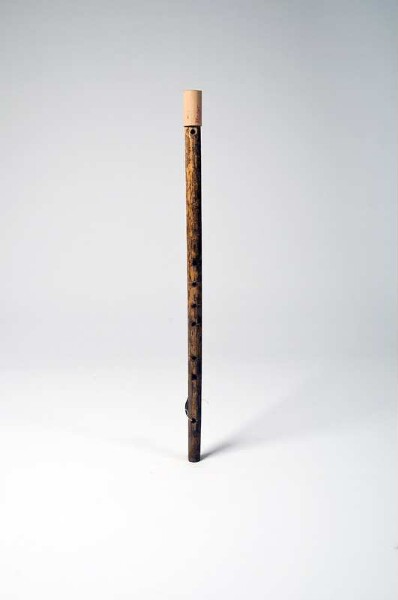
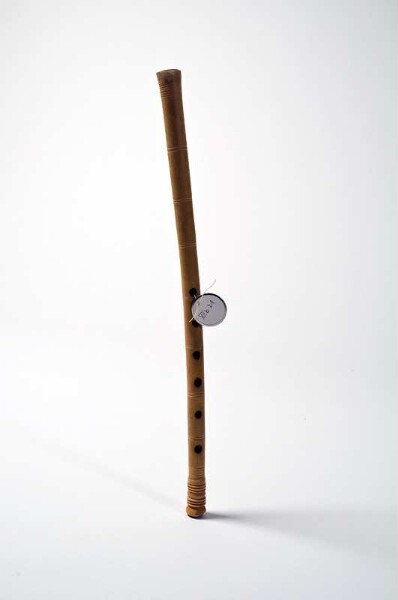
Open outer flute with finger holes
This collection item does not have a name in the language of origin. If you know the name or have comments, use this form to contact the data-providing institution.
Save
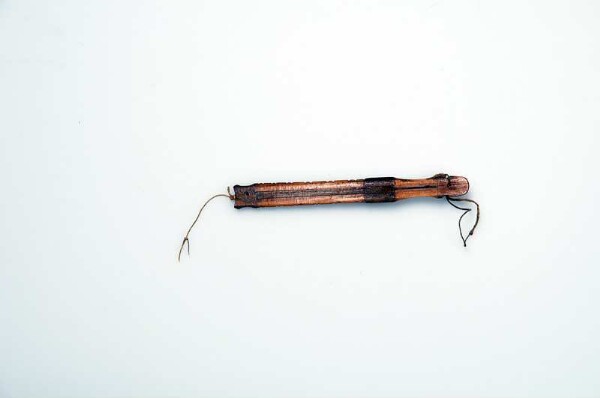
Idioglotte Jew's harp
This collection item does not have a name in the language of origin. If you know the name or have comments, use this form to contact the data-providing institution.
Save
"ego"
kaval ?
Information about the language not available
Save
kaval (?)
This collection item does not have a name in the language of origin. If you know the name or have comments, use this form to contact the data-providing institution.
Save
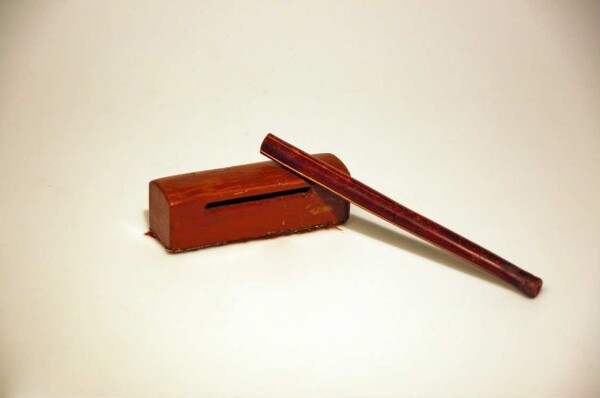
Independent impact tube
This collection item does not have a name in the language of origin. If you know the name or have comments, use this form to contact the data-providing institution.
Save
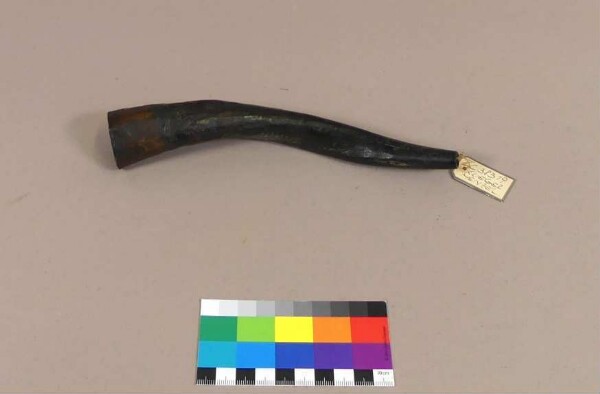
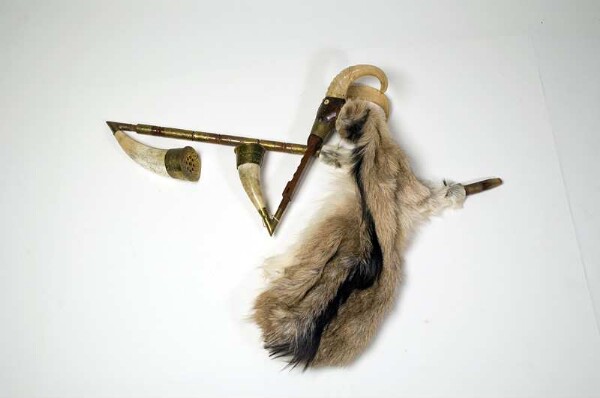
Blowing horn for hunters
This collection item does not have a name in the language of origin. If you know the name or have comments, use this form to contact the data-providing institution.
Save
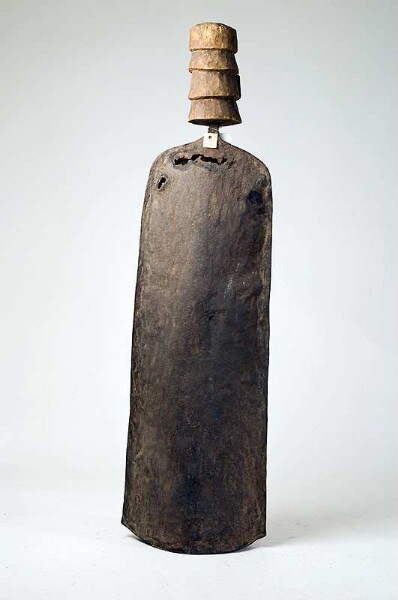
War bell
This collection item does not have a name in the language of origin. If you know the name or have comments, use this form to contact the data-providing institution.
Save
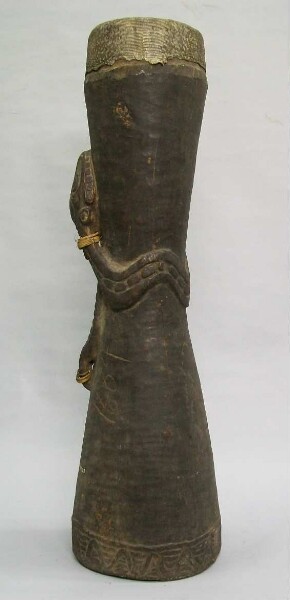
Dance drum
This collection item does not have a name in the language of origin. If you know the name or have comments, use this form to contact the data-providing institution.